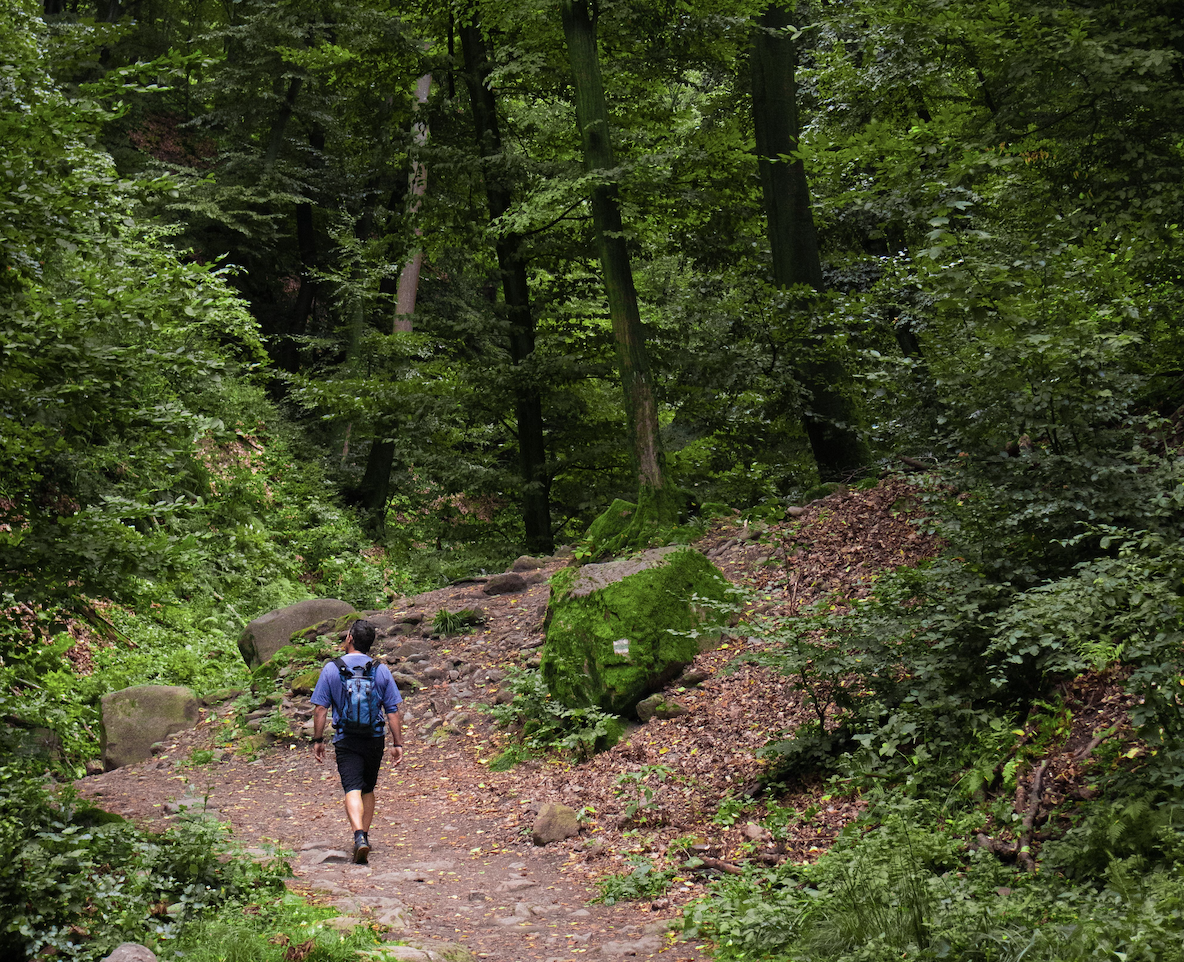
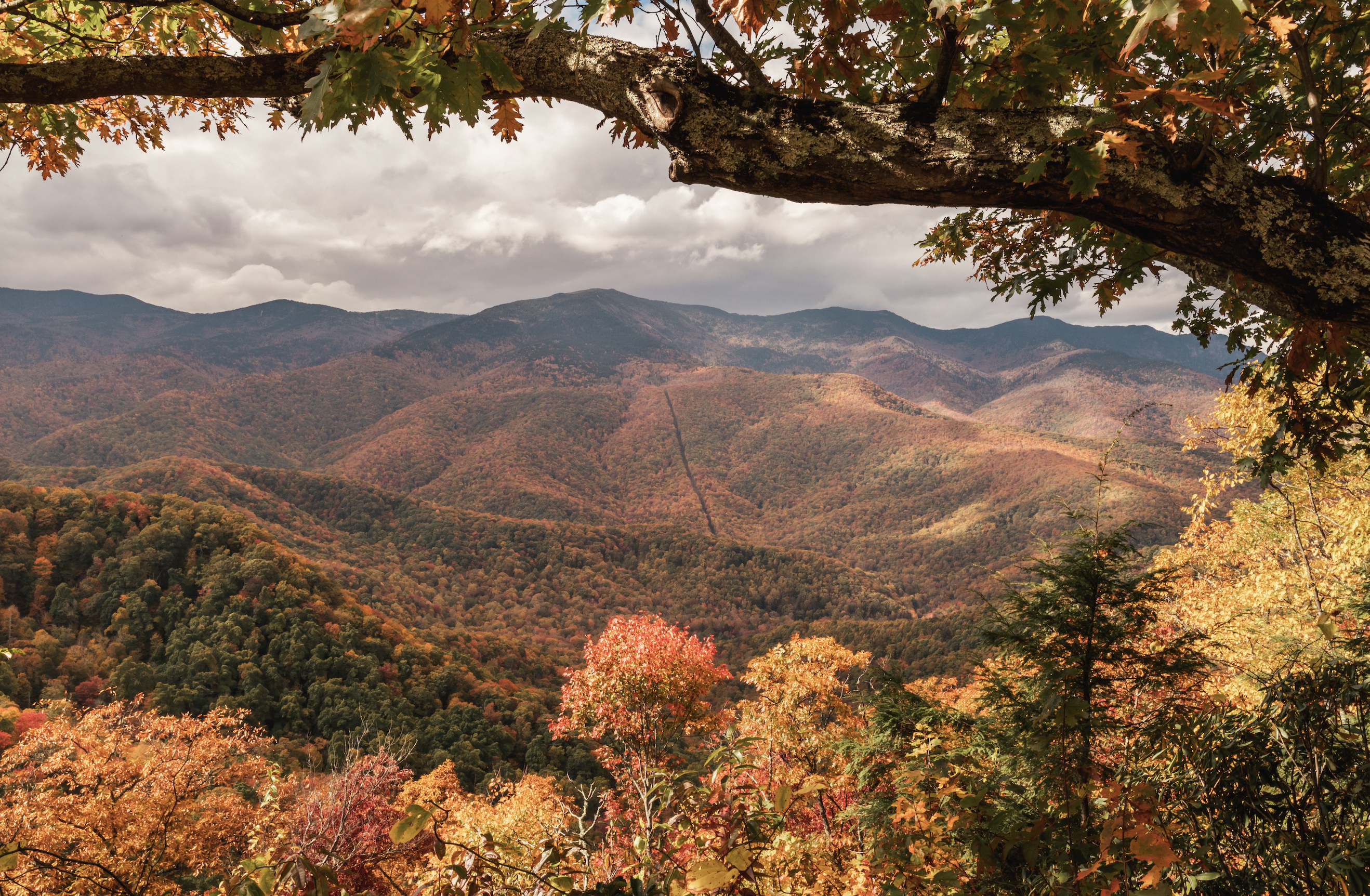
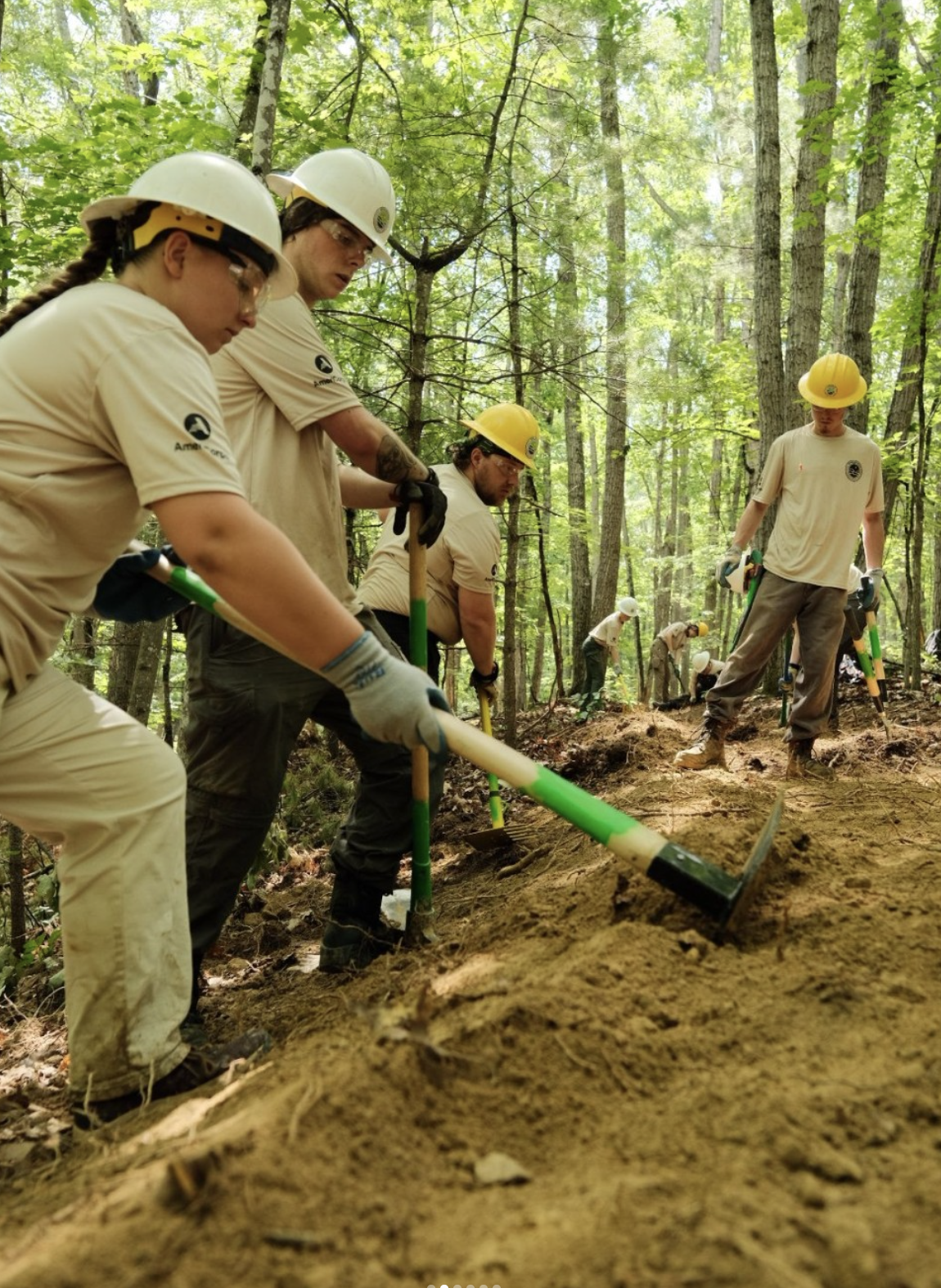
West Virginia’s outdoor economy starts with access. Trails do not appear overnight, and they do not maintain themselves. Behind every mile of singletrack, rail trail, climbing access point, and backcountry route are the people securing funding, organizing volunteers, building partnerships, and figuring out how to connect communities through recreation.
At the inaugural WV Outdoor Economy Summit, one thing became clear: West Virginia is in the middle of a major moment for trail development and outdoor infrastructure. From statewide planning efforts to massive new recreation destinations, the people shaping that future are thinking far beyond just trails. They are thinking about connectivity, tourism, economic development, and long term access across the state.
Here are five conversations from the Summit that capture where things are headed.
Meadow River Rail Trail: Building the Next Big Connection
Matt Ford shared one of the summit’s biggest announcements: $3.2 million in congressionally directed spending moving toward the Meadow River Rail Trail project. The proposed corridor would connect Rainelle to the New River Gorge through more than 40 miles of former railroad corridor.
For Ford, the project is deeply personal. His family history is tied to the same rail lines now being reimagined for recreation. The broader Adventure Meadow River vision combines hiking, biking, climbing, and paddling into one connected outdoor ecosystem designed to benefit the entire region.
Creating a Statewide Trail Vision
Before writing West Virginia’s updated statewide trail framework, Sam England drove more than 2,000 miles across the state listening to trail users, organizations, and communities.
The message he kept hearing was simple: people want more connectivity. More trails. More access. More ways to move through the state outdoors.
His work with WV Trails focuses on building a framework that helps trail groups, land managers, and advocates move in the same direction instead of competing for it.
West Virginia’s Off Road Growth Moment
Doug Bigelow of the US OHVA Alliance believes West Virginia is positioned to become a major destination for off-road recreation.
He described the current moment as a golden age for motorized recreation, driven by expanding trail systems, strong interest from riders, and the kind of terrain that already attracts enthusiasts from across the region. His bigger message focused on stewardship. Access only lasts if users take care of the land and work together to protect it.
The Volunteers Behind 311 Miles of Trail
The Allegheny Trail Association maintains all 311 miles of the Allegheny Trail through volunteer labor.
Nicole Flood Sawczyszyn spoke about the thousands of hours volunteers put into clearing storm damage, maintaining infrastructure, and keeping one of West Virginia’s most significant long distance trails accessible year after year.
The trail already stretches across some of the state’s most iconic landscapes. One of the biggest challenges now is simply making more people aware that it exists.
Appalachian Outlaw Trails and Recreation at Scale
Appalachian Outlaw Trails represents one of the largest recreation developments currently taking shape in West Virginia.
After years of watching access disappear across private land, Eric Larch and Christopher Inghram decided to build something permanent. Phase 1 of Appalachian Outlaw Trails includes hundreds of miles of trails for UTVs, dirt bikes, mountain biking, and horseback riding, all positioned to drive tourism and business growth in the upper Kanawha Valley.
Partnerships tied to the project are already pushing the idea of destination based recreation tourism in West Virginia to a new level.
The Bigger Picture
All five conversations pointed toward the same idea: access is no longer a side conversation in West Virginia’s outdoor economy. It is the foundation of it.
The people building trails, maintaining corridors, organizing volunteers, and connecting communities are shaping far more than recreation opportunities. They are helping define what the future of Appalachia looks like on the ground.
About the Author