West Virginia’s outdoor economy is often described in terms of trails, tourism, and investment. But underneath all of it is a simpler question: who actually grows up inside this system, and what does access look like for them?
At the WV Outdoor Economy Summit, that question showed up again and again in conversations about schools, youth sports, and the barriers that still shape who gets to participate. The next generation is not just inheriting trails and businesses. They are inheriting whether those systems feel open, accessible, and normal.
Here are two very different ways that the future is already being built.
Rewriting What “Access” Looks Like in Schools
Jonathan Bellingham was supposed to be stepping back into retirement at Cacapon Springs. Instead, he created a new sport and built an education pipeline around it.
FlingGolf is a simplified, fast-entry game that can be taught in minutes and played on a traditional golf course. Bellingham turned that concept into a PE curriculum, licensed it into West Virginia schools, and placed equipment across state parks to lower the barrier to entry.
The idea is not about replacing traditional golf. It is about removing intimidation from outdoor recreation and giving kids a way to engage without cost, gear complexity, or experience requirements. What started as a personal experiment has become a structured entry point into outdoor activity across the state.
Learn more through FlingGolf and the historic Cacapon Resort State Park.
Building a Youth Cycling Pipeline From the Ground Up
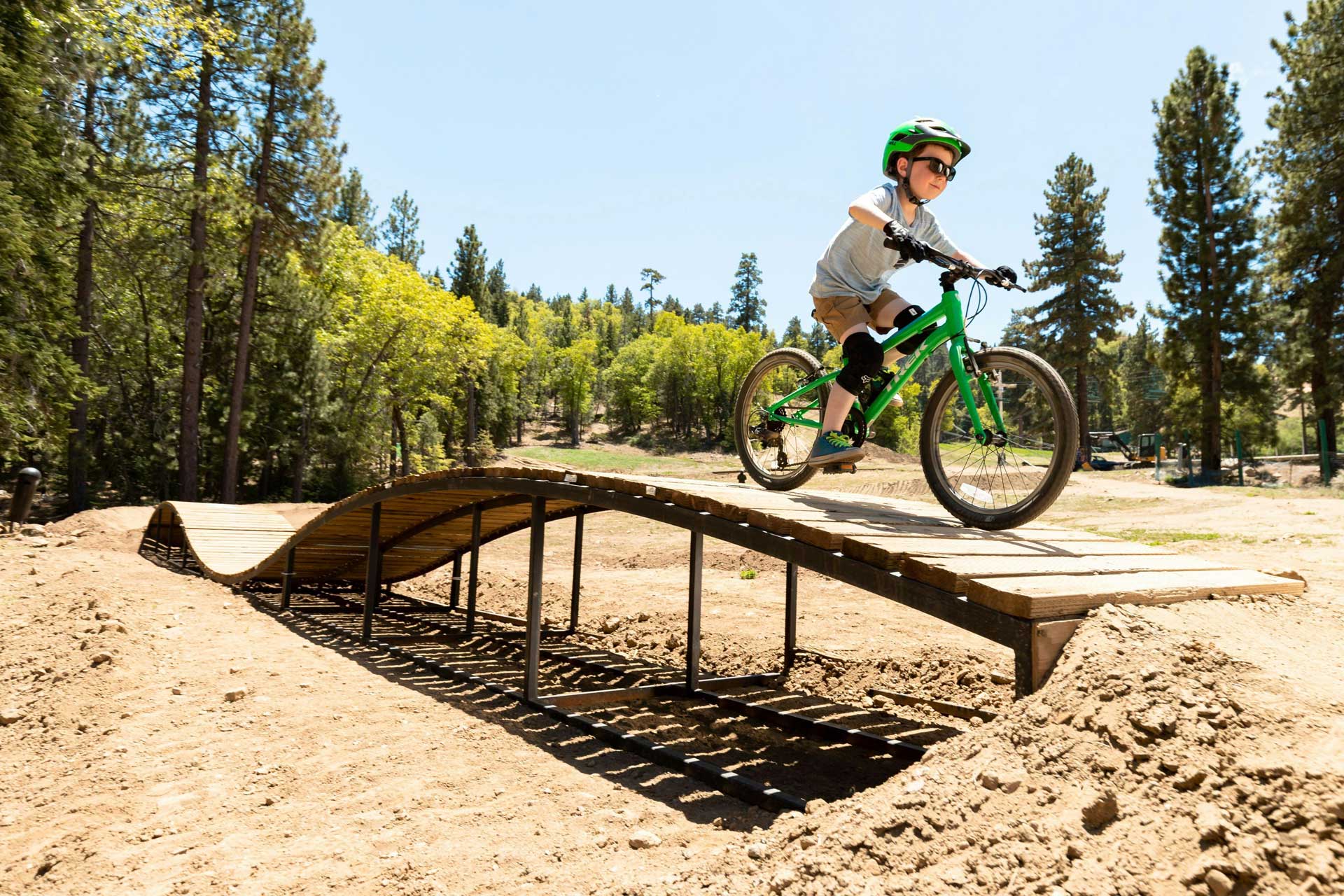
West Virginia’s mountain biking scene is no longer just an adult recreation story. It is increasingly a youth sport system with real structure, teams, and statewide reach.
Sarah Elkins leads the WV NICA League, which now includes 23 teams and nearly 500 student riders. The model is intentionally different from most school sports. Parents ride alongside kids, creating a shared experience rather than a spectator dynamic.
But growth has exposed a deeper issue. In many parts of the state, especially in southern West Virginia, access to safe riding infrastructure simply does not exist. In some communities, kids cannot safely ride a bike to school, let alone reach trail systems.
Elkins, who also co-owns Hammer Cycles, frames the work less as sport development and more as foundational infrastructure for how kids experience the outdoors at all.
The Bigger Picture
Both stories point to the same reality: the next generation is shaped long before they become tourists, entrepreneurs, or outdoor users.
One approach lowers the barrier to entry by redesigning how a sport is taught in schools. The other builds structured pathways for kids to grow into a statewide recreation community.
Different tools, same outcome: making outdoor access feel normal from an early age.
What West Virginia builds next is not just more trails or more destinations. It is whether the system being created is something the next generation can actually step into without needing to be convinced they belong there.
About the Author