West Virginia’s outdoor economy only works if someone is actually building the experience people come to have. Trails, destinations, and branding strategies set the stage, but it’s entrepreneurs and operators who turn access into something real on the ground.
At the WV Outdoor Economy Summit, these conversations focused on the people running bike shops, building logistics systems, and evolving long-standing adventure companies into full-scale destination engines. Different businesses, same role: making sure visitors don’t just arrive, but actually stay, move, and spend time in the state.
Hammer Cycles: The Bike Shop That Refused to Disappear
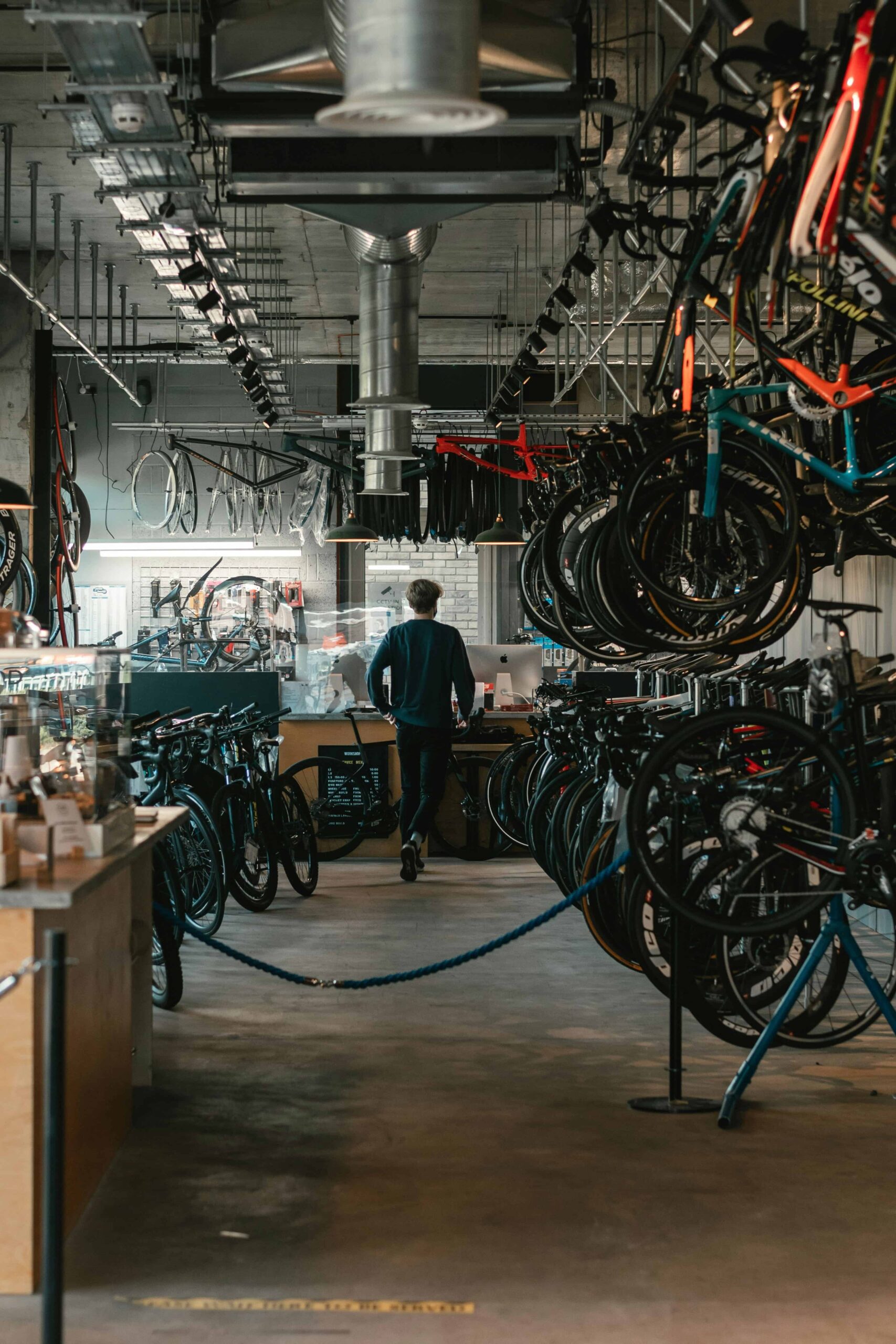
Lewisburg has seen more than a dozen bike shops come and go. Max Hammer knew that history before opening Hammer Cycles, and he also knew riders were driving hours just to get basic service.
Instead of repeating the same model, he built something rooted in community. The shop serves as home base for the Greenbrier Valley Hellbenders NICA youth team, hosts group rides, and focuses on welcoming riders at every level.
That mix of service and local connection is what made it stick in a place where others failed.
Learn more about Hammer Cycles and regional partners like WV NICA League.
Link WV: Solving the “How Do I Actually Get There” Problem
West Virginia has no shortage of outdoor destinations. The challenge has always been getting between them.
Jeb Corey’s Link WV is built to close that gap. The idea is simple but ambitious: arrive in Charleston, step outside Yeager Airport, pick up a ready-to-go vehicle, and have access to shuttles, trailheads, and recreation routes without needing to piece everything together yourself.
From Greenbrier River Trail logistics to kayak shuttles and curated itineraries, Link WV is designed to act as connective tissue between scattered outdoor assets.
It is less about selling activities and more about removing friction.
Learn more about Link WV and regional partners including Yeager Airport.
ACE Adventure Resort: Turning a Legacy into a Full Destination
ACE Adventure Resort has been operating on the New River Gorge since the late seventies, but what it looks like today goes far beyond whitewater.
Under operations director Chris Colin, the 1,500-acre property in Oak Hill has evolved into a multi-layered destination with cabins, dining, water activities, and a growing lineup of festivals designed to bring in audiences who may never have planned a rafting trip.
The strategy is intentional. Music festivals, community events, and non-rafting experiences are used as entry points for new visitors. Once they arrive for any reason, they often come back for the river.
It is a simple loop that drives the broader economy: give people a reason to show up, and they discover the rest once they are here.
The Bigger Picture
Across these operators, the pattern is consistent.
A bike shop becomes community infrastructure. A logistics startup becomes the missing link between destinations. A legacy outfitter becomes a year-round events engine.
Different business models, same outcome: turning West Virginia’s outdoor assets into experiences people can actually access, understand, and return to.
The outdoor economy does not just depend on places. It depends on the people building the systems that make those places work.
About the Author